


Gunakan bagian nomor, dimensi, data benang dan rincian aplikasi untuk memverifikasi elemen filter pengganti tanpa mengandalkan satu nomor saja.
Perkenalan
Sebuah nomor bagian filter adalah titik awal yang penting ketika elemen pengganti diperlukan, tetapi tidak selalu cukup untuk mengkonfirmasi pertandingan aman. Sistem yang berubah, akhiran mengidentifikasi versi yang berbeda, dan penyaring yang sama dapat berbagi nama keluarga sambil menggunakan media yang berbeda, segel, dimensi, atau rating tekanan.
Proses referensi yang bertanggung jawab membandingkan nomor yang ada dengan produk fisik, aplikasi peralatan, dan kinerja yang diperlukan. Ini juga dokumen dari mana informasi itu berasal. Pendekatan ini mengurangi risiko memesan filter yang sesuai dengan perumahan tetapi tidak melindungi sistem.
Panduan ini menjelaskan bagaimana mengumpulkan informasi yang tepat, bagaimana membandingkan bagian nomor filter dengan pengganti yang mungkin, dan ketika gambar atau sampel fisik harus diminta.
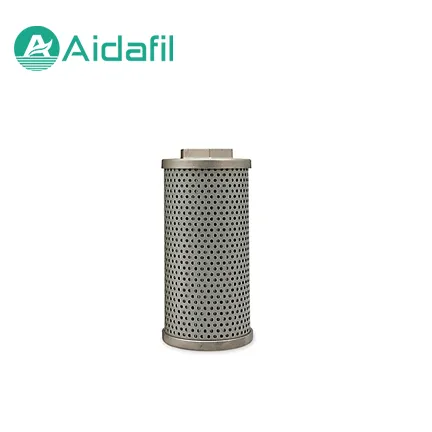
What a Filter Part Number Can and Cannot Tell You
Sebuah angka bagian dapat mengidentifikasi sebuah keluarga produk, ukuran nominal, peringkat filtrasi, gaya koneksi, atau konfigurasi internal. Dalam beberapa kasus, itu juga menunjukkan produsen versi atau seri produksi. Namun, nomor yang sama dapat ditulis dengan prefiks yang berbeda, akhiran, spasi, atau tanda baca. Sebuah nomor yang dicetak pada label lama dapat merujuk ke item superseded.
Sebuah angka bagian saja biasanya tidak dapat mengkonfirmasi:
1.The pengaturan penyegel yang tepat
Spesifikasi sekarang 2.The media
3,The elemen 's runtuh tekanan
Persyaratan aliran dan tekanan aplikasi 4.The
5.Apakah pengganti sebelumnya mengubah konfigurasi asli
6.Whether the filter hours has been modified
Untuk alasan ini, referensi silang harus diperlakukan sebagai proses verifikasi daripada pencarian teks sederhana.
Kumpulkan Bagian Yang Telah Ada Nomor Dikoreksi
Rekam nomornya persis seperti dicetak, termasuk huruf kapital, tanda hubung, garis miring, koma desimal, dan huruf akhiran. Ambil foto label, stamping, atau packing sebelum membersihkan atau menangani elemen. Jika angka sulit dibaca, gunakan lebih dari satu sudut cahaya dan jangan menimpa tanda asli.
Periksa apakah angka muncul di lebih dari satu tempat. Sebuah label dapat menunjukkan nomor penjualan sementara topi akhir menunjukkan nomor produksi. Perhatikan baik tanpa mengasumsikan mana yang merupakan referensi utama.
Jika nomornya hilang, jangan ciptakan pengganti berdasarkan penampilan. Pindah ke dimensi dan verifikasi aplikasi.
Gather the Physical and Operating Data
A reliable cross-reference record should include:
1.Original part number and any superseded number
2.Product photographs from several angles
3.Overall height, outside diameter, and inside diameter
4.Thread, connection, and sealing details
5.Filtration rating and whether it is nominal or absolute
6.Filter media type
7.Seal material
8.Flow rate and normal operating pressure
9.Maximum differential pressure or collapse requirement
10.Fluid type, viscosity, and temperature
11.Equipment model and filter location
If the filter is still installed, record the housing markings and the surrounding connection details. If the system has been modified, note the modification rather than assuming the original drawing still applies.
Understand the Difference Between a Part Number and a Cross-Reference
A part number identifies one manufacturer's item. A cross-reference is a relationship between that item and another product or reference number. A cross-reference can be useful, but it is only as reliable as the source and the data behind it.
A number may cross to several possible products because the original family had multiple configurations. One entry may match the dimensions but use a different media. Another may match the media but have a different seal. A proper comparison should show which attributes were confirmed and which remain uncertain.
Do not describe a product as an official, genuine, or authorized replacement unless that status is supported by the relevant manufacturer. For independent aftermarket products, use clear language such as compatible replacement option and confirm the final fitment through technical data.
A Practical Cross-Reference Workflow
Step 1: Normalize the Number
Remove only formatting that is clearly not part of the number, such as spaces added by a label printer. Keep suffixes and punctuation if they may carry meaning. Record the original form beside the normalized form.
Step 2: Search by Number and Variants
Check common variants, including a missing leading zero, a different separator, or a superseded suffix. Do not treat a search result as confirmation until the physical details agree.
Step 3: Compare Primary Dimensions
Compare height, outside diameter, inside diameter, and connection details. If any primary interface is different, stop and investigate before proposing a replacement.
Step 4: Compare Performance Data
Check filtration rating, media, flow capacity, pressure rating, temperature range, and seal compatibility. Confirm whether the existing application requires a specification that is not visible on the old element.
Step 5: Check the Installation Interface
Review seal contact surfaces, center-tube engagement, end-cap shape, bypass arrangement, and orientation. A filter can appear to fit while failing to seal or locate correctly.
Step 6: Document the Result
Record which attributes matched, which were obtained from a drawing, and which remain unverified. This is especially important when the customer needs a repeatable procurement reference.
Step 7: Confirm Before Ordering
Ask the supplier to state the basis of the cross-reference. If the information is incomplete, request a dimensional check or a sample review rather than relying on the number alone.
When a Drawing or Physical Sample Is Needed
A drawing or sample is often appropriate when the element is damaged, the marking is missing, the housing has been modified, or two products share similar dimensions. It is also useful for high-value equipment, critical hydraulic circuits, and applications where a filter failure could cause significant downtime.
A sample should be clean enough for safe handling and clearly labeled with the equipment model and operating issue. Do not send a contaminated element without following the applicable safety and shipping requirements.
Common Cross-Reference Mistakes
One common mistake is treating a web search result as an approved interchange. Another is ignoring a suffix because the main number appears to match. Teams also compare only the outside diameter and overlook the inside diameter, seal profile, or thread pitch.
A further risk is mixing a replacement into a system without confirming the required filtration rating. A filter that is physically compatible but has the wrong media or efficiency may allow particles to pass or may clog too quickly.
Finally, avoid using brand names in a way that suggests affiliation, authorization, or original-manufacturer approval. Use the reference number only to identify the item being compared.
Information to Send with an Inquiry
For a faster review, send:
11.The original part number and equipment model
12.Photos of the complete element and both ends
13.Height, outside diameter, and inside diameter
14.Thread and connection information
15.Filtration rating, media, and seal material if known
16.Operating pressure, flow, temperature, and fluid type
17.The reason for replacement and any symptoms observed
If the part number is unreadable, say so directly. A clear dimensional record is often more useful than an uncertain number.


